Jack Sibbons remembers the worst night of his life in painful detail. His twin sister, Amy De Silva, had gone into early labour. Having battled leukaemia throughout her pregnancy, she had just finished her fourth round of chemotherapy and was in the throes of a sepsis infection when her waters broke.
“Don’t get me wrong: Amy’s appearance had changed massively – she was bald, she’d lost weight – but the day she gave birth was the first day I thought ‘My sister looks like a cancer patient’. She looked horrendous, so washed out and weak,” he says. “I thought we were going to lose her.”
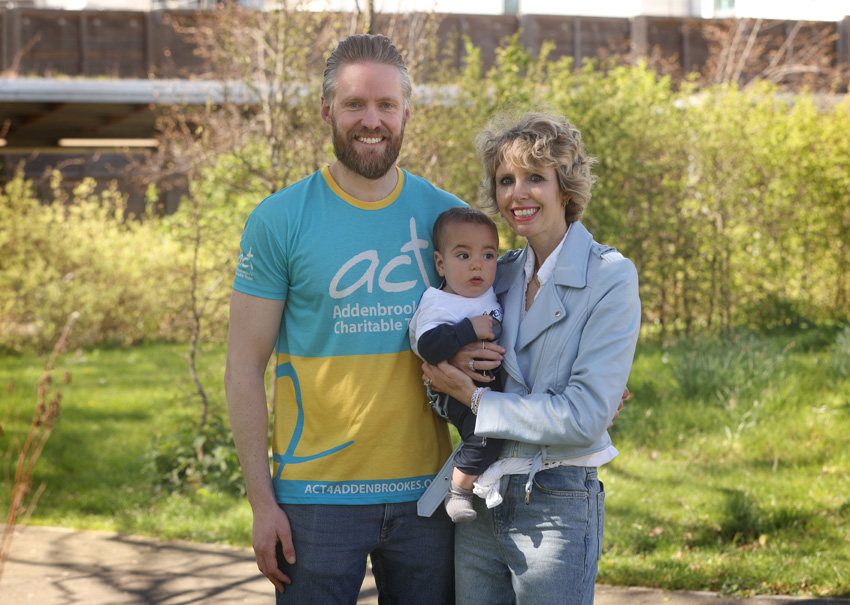
The worst night was, miraculously, followed by the best day: delivered by C-section under general anaesthetic, Amy gave birth to a healthy baby boy. She and husband Greg named him Chester, meaning ‘warrior’, second name Jack, after his uncle.
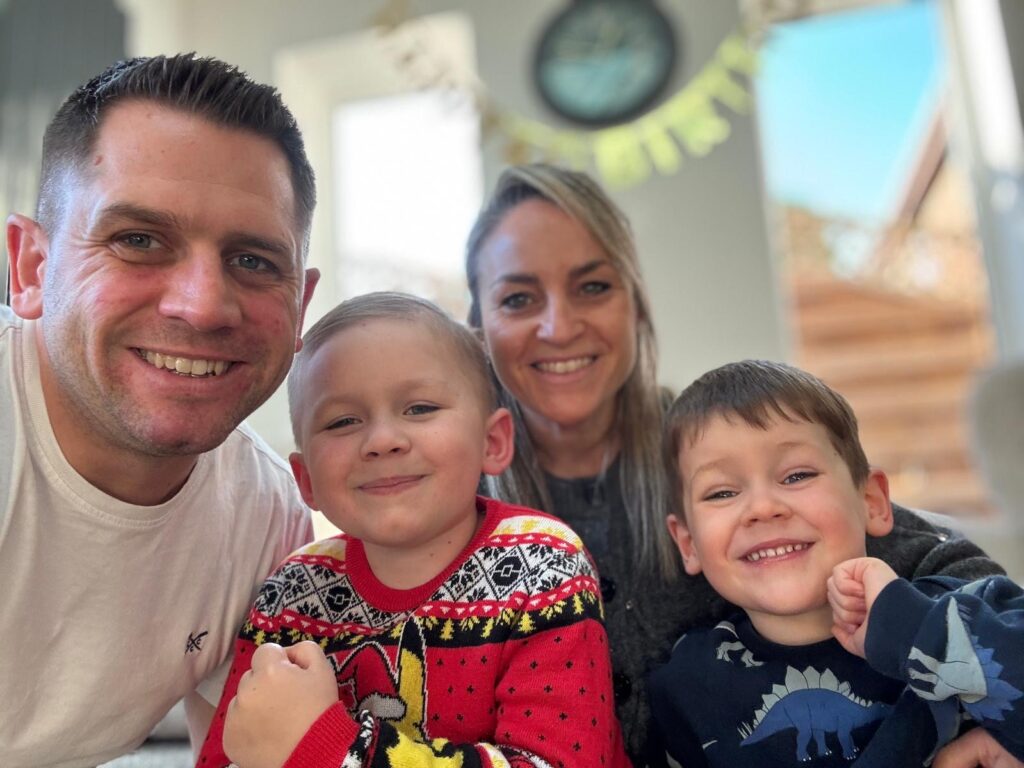
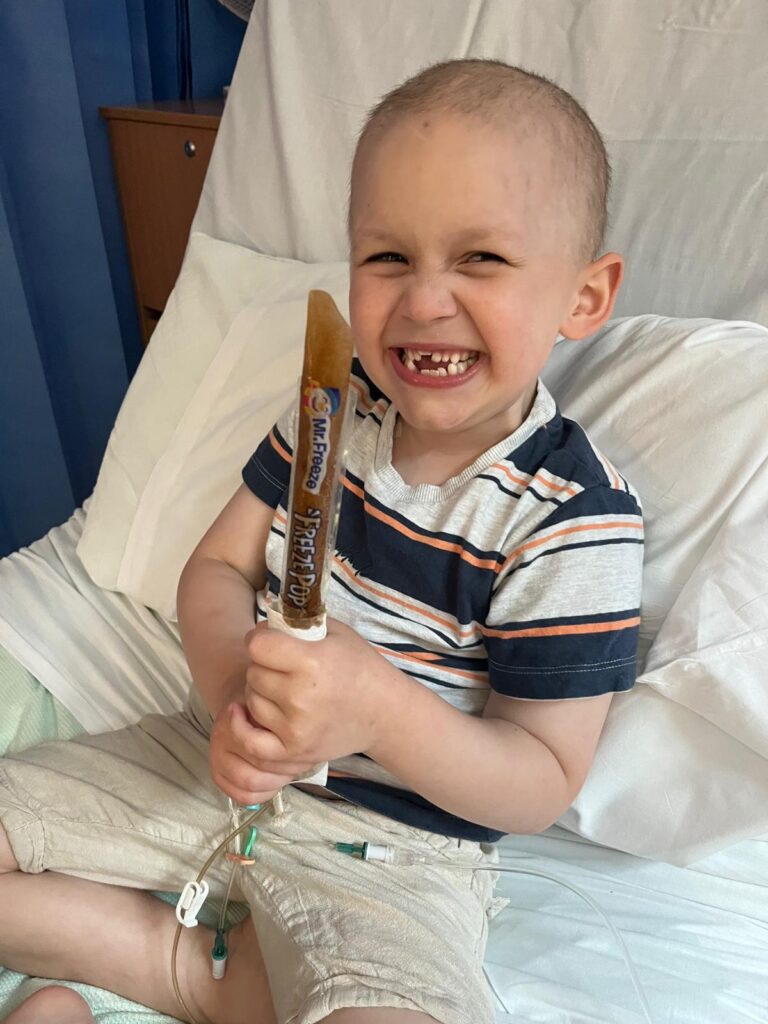
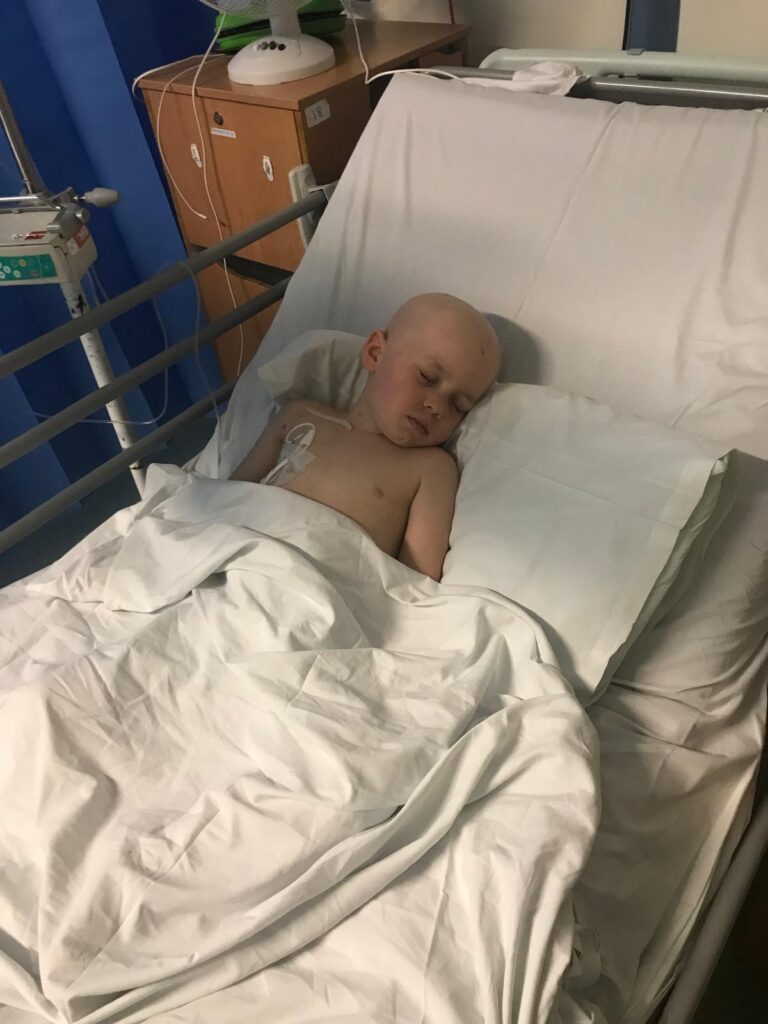
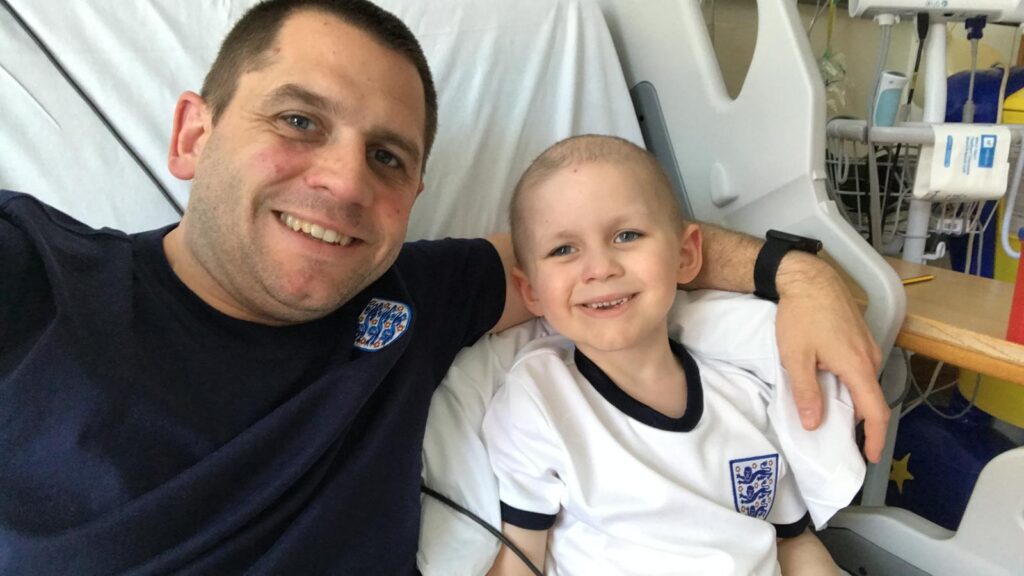
Nine months on and both mum and baby are happy and healthy; Amy is officially in remission and Chester, along with older brothers Hugo, 6, and Dawson, 4, is thriving. Having been cared for at Addenbrooke’s and the Rosie Hospitals, they are the reason Jack is running the TCS London Marathon in aid of Addenbrooke’s Charitable Trust (ACT).
“For me, it’s a thank you – a big thank you. If someone else’s family is ill, I want them to get the care we did. Despite not being able to help Amy personally, I knew when I went to bed at night that she was being looked after,” says 39-year-old Jack, Operations Manager at his family’s plant hire business, Sibbons in Colchester.
“Do I want to run for four hours? Not really. But I know I’ve got a reason; when I’m struggling, my sister and Chester will be the reason I finish.”
Initially setting a fundraising target of £3,500, support has “snowballed”: at time of writing, with more than two weeks to go until Marathon day, Jack, his family and friends have raised a staggering £37,000, placing him at number 12, out of all the runners using the platform, on the JustGiving fundraising leaderboard.
Amy, who works as a Cancer Specialist Nurse at Colchester Hospital, had no idea she was ill when, at 10 weeks pregnant, a blood test threw up some worrying anomalies. “I just felt really sick and tired, which I thought was normal [for early pregnancy],” she remembers.
Adds Jack: “I’m not into all this twin nonsense – about how you feel the other one’s feelings and all that – but, having never felt depressed in my life, I felt awful that whole weekend. I had no interest in leaving the sofa. It was dread.”
Within 24 hours Amy was having a bone marrow biopsy; 24 hours later she got confirmation – it was leukaemia, she needed to start chemo at Addenbrooke’s immediately, and doctors didn’t know if she could keep her baby.
“If there was a chance, I wanted to take it,” Amy says. “They said the chemo shouldn’t cross the placenta membrane, we will monitor every week. So I thought: let’s give him a shot then.”
Because the treatment knocked her immunity completely – by decimating white cells, which fight infection – Amy had to have her first month-long round of chemo as an inpatient. Having never left her boys before, “for a night, never mind a month” she “wrote a 10-page manual, running through their routine and how to make their favourite pancakes, I recorded my voice on their Tony boxes, they had cuddle cushions with my face on. . .”
Adds Amy: “I cried when I left the house, I was so frightened – as a Cancer Specialist Nurse I did know what was going to go down, that was half the problem.”
Jack was by his twin’s side for the first day of chemo – and the first day of every round after that. He witnessed midwives checking for the baby’s heartbeat, bought Amy endless pots of M&S overnight oats from the concourse shop when a throat infection left her struggling to eat, and had endless “10-hour talks, trying to fill the time so she wasn’t too bored”.
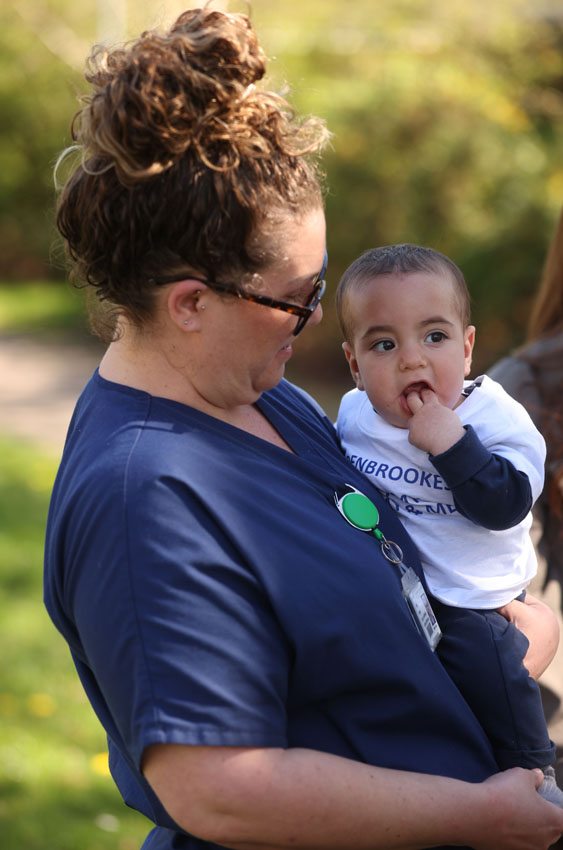
Thanks to Greg and her parents, the boys visited every couple of days and stayed nearby in a Travelodge at weekends. The hospital team assigned her a side room where the boys were welcome to come and go, donning their masks before “jumping all over my bed,” laughs Amy.
“Jack was terrified because, obviously, they’re germ magnets, aren’t they? But I said ‘They’re my medicine, they are why I’m fighting so hard, so you have to let them come and see me’.”
Determined to be at home as much as possible, Amy did her second cycle of chemotherapy as an outpatient: “I’m a bit of a loon: I was desperate not to miss anything with the boys – school pick-up, school plays.” The third cycle started the same way, then sepsis struck again; by the time the fourth round was coming to a close, Amy was once again fighting the infection.
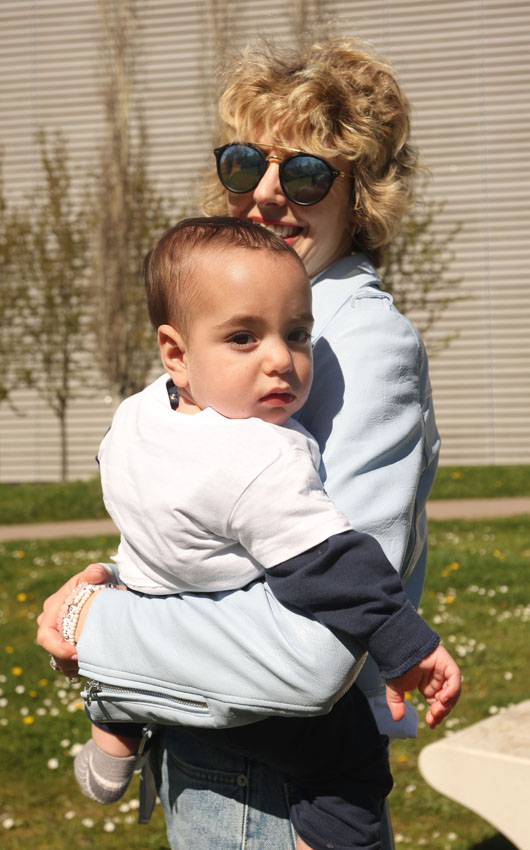
“I could hardly get off the bed, was on antibiotics for the sepsis, my platelets were down to nothing. . . and then my waters broke. I sat and just cried on the toilet: I thought ‘I can’t have him, I’m too poorly’. The obstetrics team were like: ‘You have to! You’ve got no immunity, no platelets – we have to take you to theatre tonight.’”
Too weak to go through labour and, due to the lack of blood-clotting platelets, at risk of spinal haemorrhage with an epidural, Amy had to have a Caesarean under general anaesthetic. While they were prepping her for theatre, the team asked Amy about her wedding day; as she thought, a distraction. In fact, Midwife Shannan Bell was planning a video of the birth – playing Etta James’ At Last, Amy and Greg’s first-dance song, as Chester came into the world.
Adds Amy: “I know this sounds really mental, but it’s like Chester knew how poorly I was, that my body was saying ‘I can’t do this anymore’, so he said, ‘It’s okay Mum, I’m ready’, and out he came. I say he saved my life twice: once with that blood test, and again on the day he arrived.”
Born five weeks early, on June 29 2025, Chester weighed 4lbs 13oz, “incredible for a chemo baby, and didn’t need any help with his breathing, bless his heart”. Expressing every two hours so he could be fed on breast milk from day one, Amy visited him “all day and all night” in the Rosie’s Neonatal Intensive Care Unit until discharge, initially to Colchester Hospital as Chester was still being tube fed.
Knowing she was struggling mentally as well as physically, desperate to get back to her older boys, the team there allowed Amy, as a nurse, to continue the tube feeding at home. Within a week, he was being breastfed.
“Having chemo’s hard, being pregnant’s hard, having chemo whilst being pregnant? Trying to cuddle the children while saying ‘Don’t pull mummy’s line out’ – all that’s hard. But the mental load – and making sure I don’t mess my children up because I’m poorly – is probably the heaviest,” she explains.
“We explained that Mummy’s got poorly blood, she needs to take medicine to make her better but it’s going to make her hair fall out. So they knew what was going on. But when I was poorly I had to pretend I wasn’t; I didn’t want to miss out on a minute with them. It’s just such a gift to have them and to be well. I don’t take a single second for granted. I didn’t before, but I definitely don’t now.”
Along with sponsorship, Jack’s Marathon fundraising has been boosted by a children’s Hallowe’en party and colour run, and a gala dinner and auction for 235 at Suffolk’s Kesgrave Hall. Taking place in March, the gala culminated with the screening of a video recounting Amy’s story in her own words; when it finished, with Hugo and Dawson saying ‘Addenbrooke’s, you’re real-life superheroes: you saved our mummy and our baby brother and brought them home to us’, there was barely a dry eye.
Adds Jack: “Hugo was talking to my wife. He said: ‘I’m crying happy tears, Auntie Orli, because my mummy’s here and she’s okay.’” The charity auction followed and, in total, £21,000 was raised in a single night.
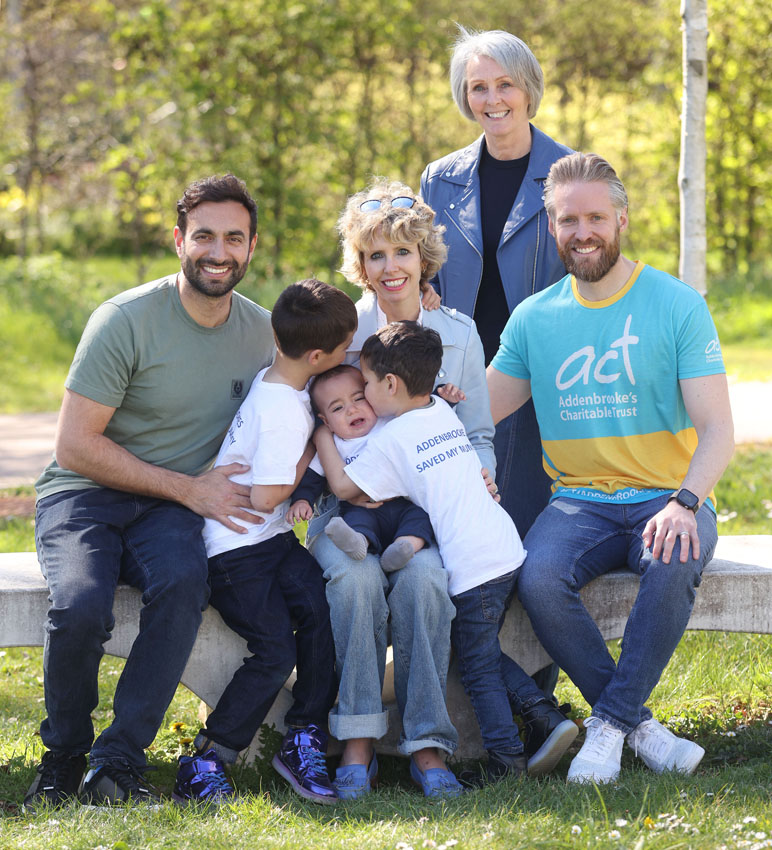
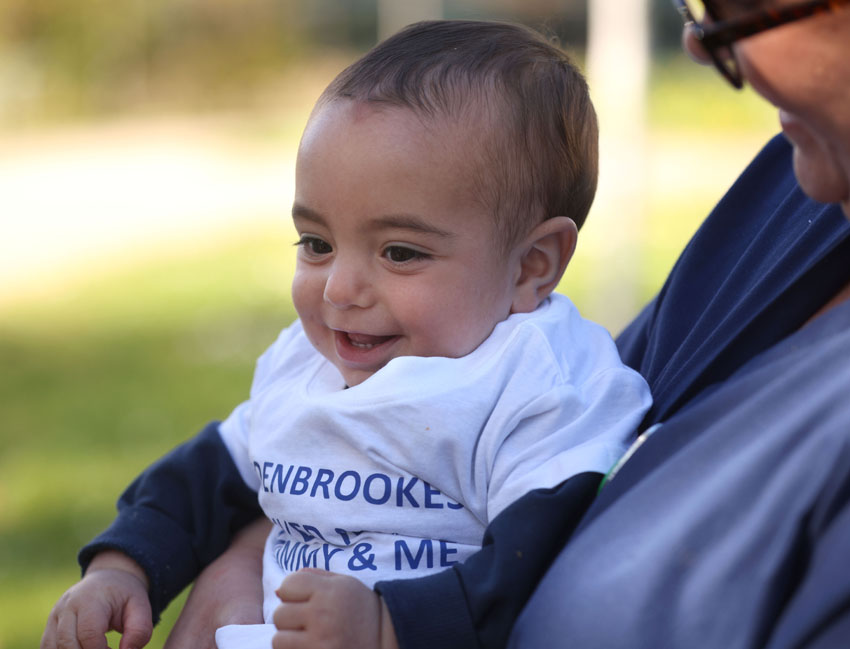
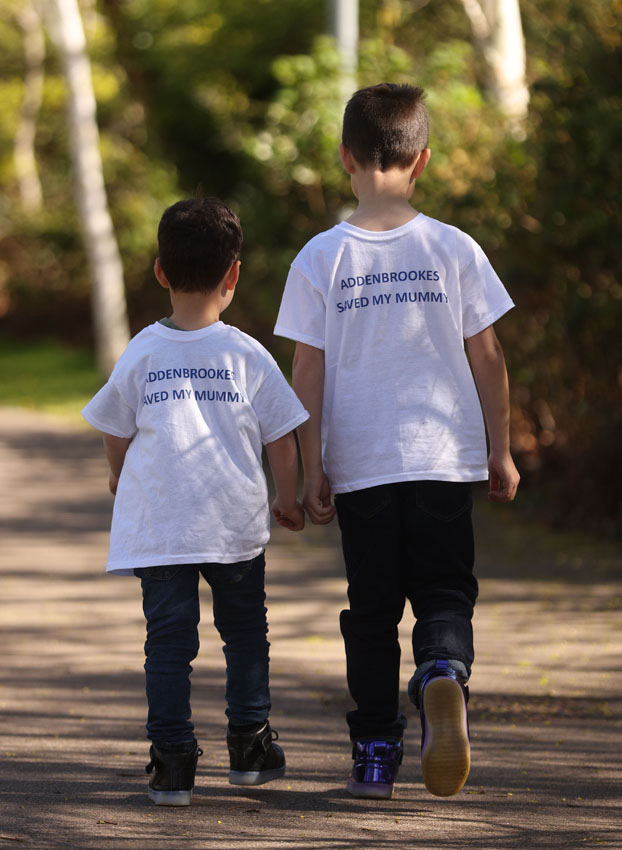
When Jack crosses the finish line on April 26, he’ll be greeted by all the family – including Hugo, Dawson and Chester wearing slogan T-shirts. The older boys’ shirts say ‘Addenbrooke’s saved my mummy’; Chester’s reads ‘Addenbrooke’s saved my mummy and me’. Jack has already asked Amy to hand him Chester as he approaches the finish: “I think there will be a teary little ending, quite honestly. I’m emotional and we’re not there yet.”
Adds Amy: “We have been really lucky: I’m okay, I’ve got a happy, healthy baby; three beautiful children. And I’ve got my amazing family around me. So I am one of the really lucky ones – and I’m very lucky they sent me to Addenbrooke’s.”
Support Jack at: Jack Sibbons is fundraising for Addenbrooke’s Charitable Trust
To read the stories for our fabulous runners, please see our London Marathon 2026 news release.